
customparticleboard Logo Customparticleboard Contact Us
Contact Us

Slieve Bloom Woodland Sculpture Trail Guide

12 min read Beginner June 2026

A complete walk through the forest's hidden sculptures. You'll find quiet spots to rest along the way, perfect for taking your time and enjoying the views.

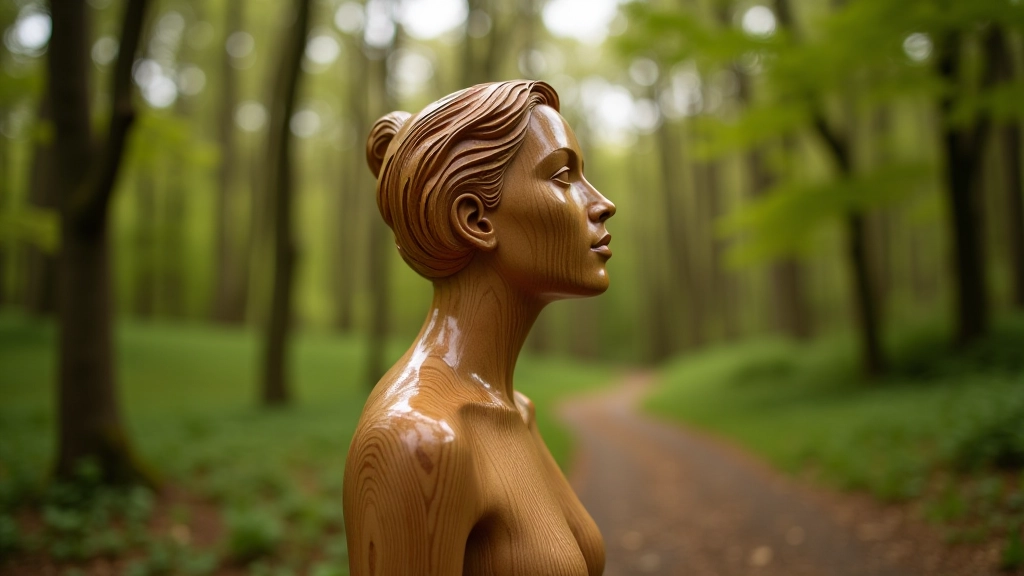
Intricate wooden sculpture nestled among ancient trees in misty woodland setting with natural light filtering through leaves

Walking the Sculpture Trail

The Slieve Bloom Woodland Sculpture Trail isn't your typical forest walk. It's a carefully curated journey through woodland where contemporary art meets ancient landscape. The trail stretches roughly 4 kilometers through mature forests, winding past 12 different sculptures positioned at intervals along well-maintained paths.

What makes this trail special for people who prefer a gentler pace is the thoughtful placement of rest areas. You're never more than 400 meters from a bench. That means you can stop, catch your breath, and really take in each sculpture without feeling rushed. The whole experience doesn't need to be hurried — we've met plenty of visitors who spread their walk across two visits.

What You'll Experience

Key features that make this trail unique

Mature Forest Setting

Towering oak and beech trees create a natural cathedral. The canopy filters light beautifully, especially in late afternoon.

Rest Areas Every 400m

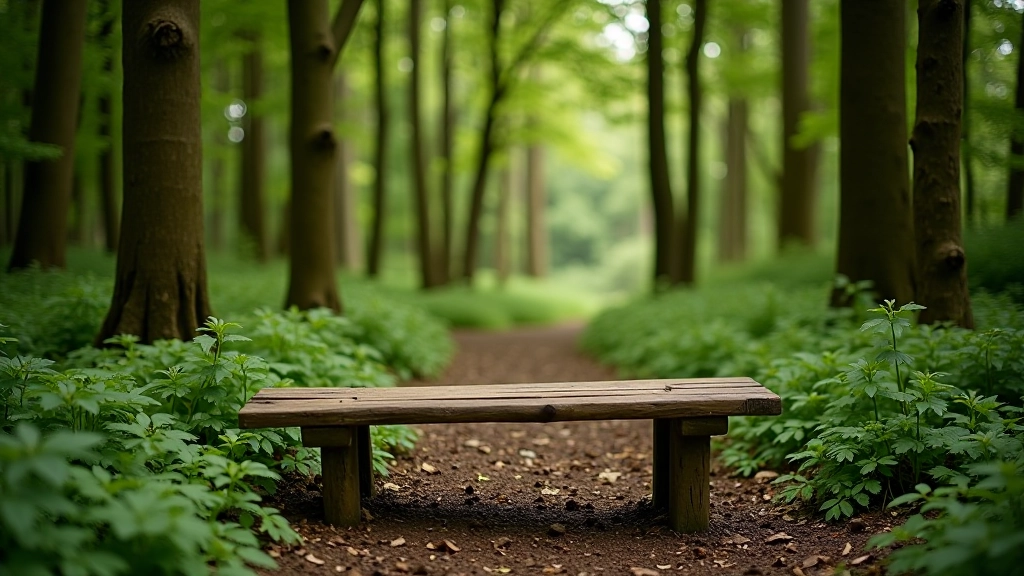
Solid wooden benches positioned throughout. You're never far from a place to sit and recover.

Contemporary Art

Twelve installations by regional artists. Each piece interacts differently with the woodland environment.

Well-Marked Paths

Clear directional signs at junctions. Ground is even and mostly level — no scrambling required.

Photography Moments

Each sculpture frames beautifully against the forest backdrop. Golden hour light is particularly stunning.

Year-Round Access

The trail opens dawn to dusk every day. Spring wildflowers, summer shade, autumn colors all offer different moods.

Planning Your Visit

Everything you need to know before you go

Best Time to Visit

Summer months (June through August) bring longer daylight and warmer temperatures. You'll see more visitors, but the path is busiest only on weekends. Spring is beautiful too — the woodland floor fills with bluebells and wood anemones in April and May.

Autumn's the quietest season and absolutely stunning. Golden light hits the sculptures differently, and you've got reliable dry weather. Winter works fine too, though days are shorter and ground can be muddy after rain.

Pro Tip

Arrive before 11am for the quietest experience and best light for photography. The morning mist hanging through the trees around 9am is genuinely magical.

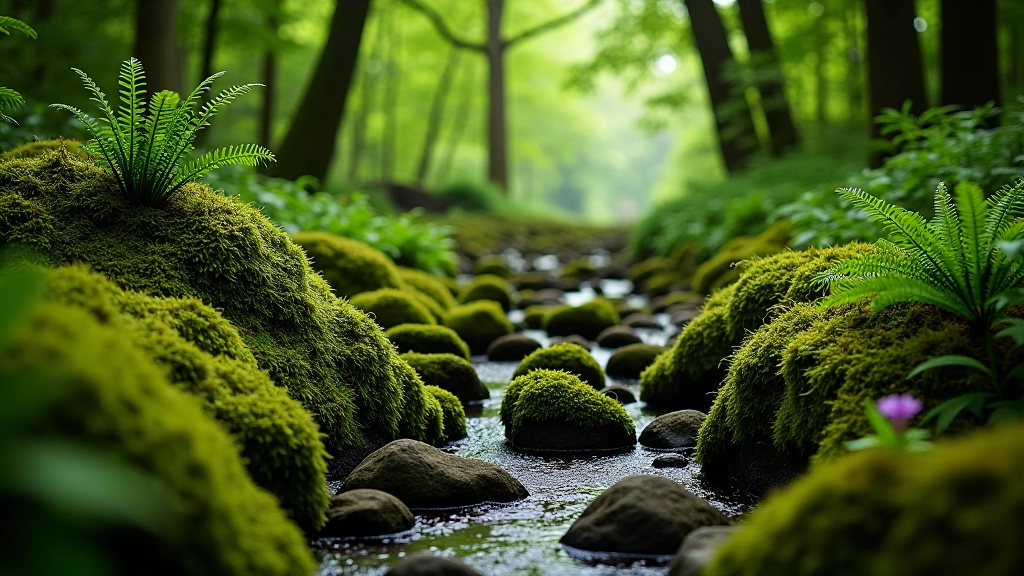
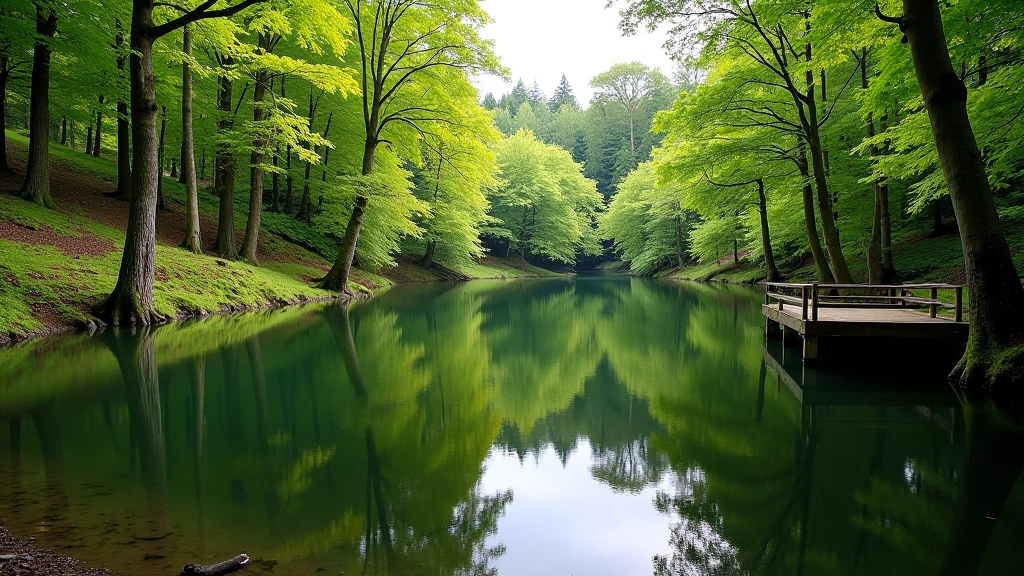
Early morning mist filtering through tall oak and beech trees in ancient woodland forest creating natural cathedral effect
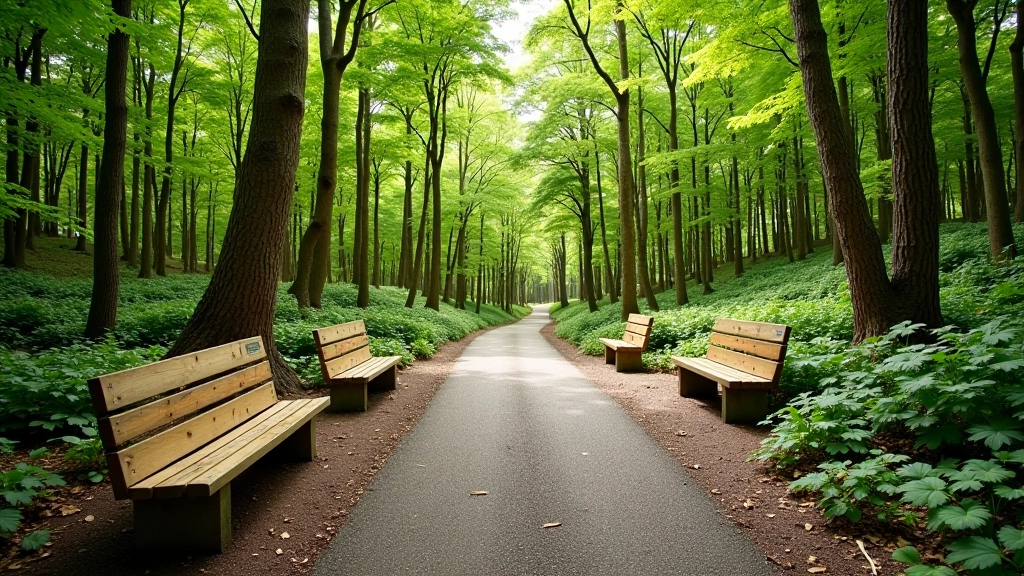
Wooden rest bench situated beside tall beech trees with forest path stretching into distance

Pacing Your Walk

Don't feel pressured to complete the full 4 kilometers in one go. Most people spend 2.5 to 3 hours on the trail, but there's no rule about that. You could easily do it in 4 hours if you're stopping at every sculpture and bench.

The trail has clear loop options too. You're not locked into one direction. Some visitors park at the main entrance and do the southern loop (2.1km) one day, then return for the northern section another time. It's all accessible from the same parking area.

Walking Times

Full loop at comfortable pace: 2.5–3 hours. Northern loop only: 1.5 hours. Southern loop only: 1.25 hours. Add 30+ minutes if you're stopping to photograph or sit with each piece.

What to Bring

Water's essential. Bring at least 1.5 liters — the walk is steady and you'll be in full sun for stretches despite the canopy. A small snack (trail mix, banana, energy bar) makes those rest stops more enjoyable.

Wear proper walking shoes with ankle support — the ground's mostly even but tree roots cross the path in places. Bring a light rain jacket even if the forecast looks clear. Irish weather changes fast, and you're not far from shelter if needed.

A hat and sunscreen matter even in overcast conditions. The sculptures reflect light in unexpected ways, and you're exposed more than you'd think despite the trees. Insect repellent in summer helps too — nothing major, but midges gather in damp areas.

Close-up of modern wooden sculpture with natural wood grain visible, positioned in forest clearing with sunlight creating shadows

The Sculptures Themselves

The 12 pieces span different styles and materials. You've got carved wooden pieces, metal installations, and stone works. Some are abstract, others representational. They're not labeled with artist information on the trail itself — that's intentional. You're meant to form your own reaction first.

Discovering Each Piece

The trail doesn't overwhelm you with installations — they're spaced to give breathing room. You might walk 300 meters between pieces sometimes. This spacing lets each sculpture have its own presence rather than competing for attention.

Most pieces interact with their environment. Shadows shift throughout the day, changing how you perceive them. A sculpture that looks one way in morning light becomes completely different by afternoon. That's part of the design — they're not static objects to be ticked off.

Trail Information

A printed guide available at the car park details each artist, piece name, and installation date. But honestly, you don't need it. Experience the walk first, then read about the context afterward if you're interested.

Abstract metal sculpture catching afternoon sunlight with forest background, geometric shapes creating interesting shadows on forest floor

Practical Information

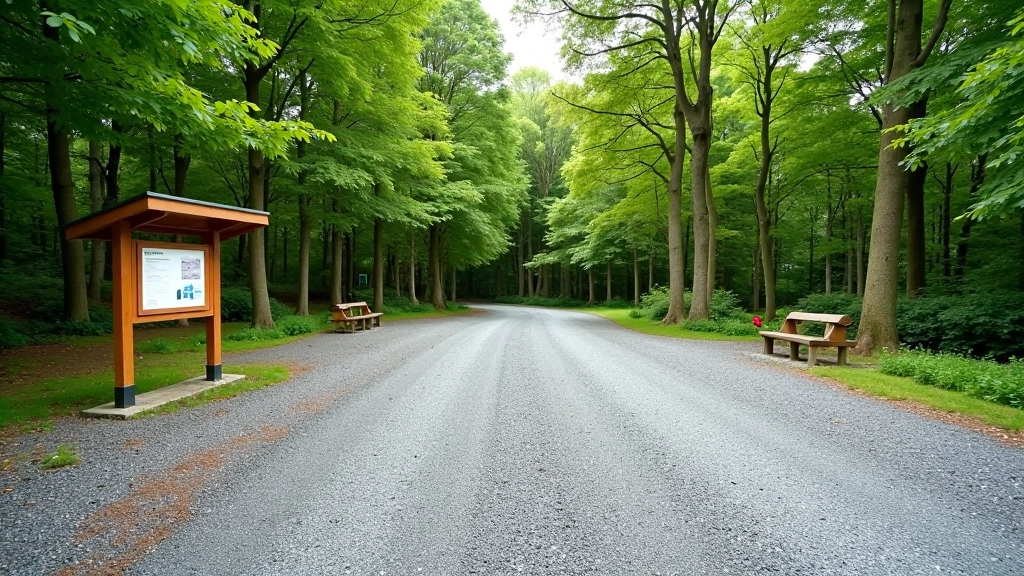
Gravel parking area surrounded by forest trees with wooden information board visible near entrance

Getting There & Facilities

The main car park is well-signposted from Kinnitty village. Parking's free and holds about 25 vehicles. There's a basic wooden information shelter with maps and historical context about the area. No café at the trailhead — nearest food is in Kinnitty itself, about 3 kilometers away.

Toilets aren't available at the car park, so use facilities in the village first. Mobile signal's reasonable on the path, but don't rely on GPS — the trail's well-marked with directional posts at every junction.

The whole area's accessible year-round, but winter mud can be deep in patches. Walking poles help on wet days. The path's never truly closed, but it can get slippery after heavy rain — give it a day or two to drain.

What Makes This Different from Other Trails

It's not a fitness challenge. You're not summiting anything or racing against a clock. The sculptures slow you down intentionally. You stop, you look, you sit, you think. That's the whole point. It's art appreciation wrapped in a forest walk, which is why it works so well for people who want to move at their own pace without pressure.

Making the Most of Your Visit

The Slieve Bloom Woodland Sculpture Trail rewards a relaxed approach. There's no "right" way to do it. You might spend three hours and feel like you've just begun, or you might loop back to your car satisfied after 90 minutes. Both are perfectly valid experiences.

What matters is that you're walking through a genuinely beautiful forest where thoughtful people have placed art that makes you stop and look differently at the landscape. You'll see sculptures in different light than the person who walked yesterday. That's not a bug — it's the feature.

Come back a different season. Bring someone you want to have a quiet conversation with. Sit on a bench and just listen to the forest. That's what this trail's for.

Interested in other accessible trails in the area?

Browse all Woodland Trails

Important Information

This guide provides general information about the Slieve Bloom Woodland Sculpture Trail. Conditions can change due to weather, maintenance, or unforeseen circumstances. Always check current conditions locally before visiting. Wear appropriate footwear and bring sufficient water. The trail involves walking through natural woodland — assess your own fitness level and abilities. If you have mobility concerns, contact the local visitor center for current accessibility details. Weather in Irish forests changes rapidly — carry weather-appropriate clothing regardless of forecasts.

About the Author

Aoife O'Sullivan

Aoife O'Sullivan

Senior Outdoor Recreation Correspondent

Outdoor recreation specialist with 14 years' experience documenting accessible trails and heritage sites across Ireland's midlands for mature travellers.