Kinnitty Forest Walking Routes & Rest Areas
Multiple loop walks of varying lengths with well-placed rest areas. Each route is clearly marked so you won't get lost, even if you're exploring alone.
Why Kinnitty Forest Stands Out
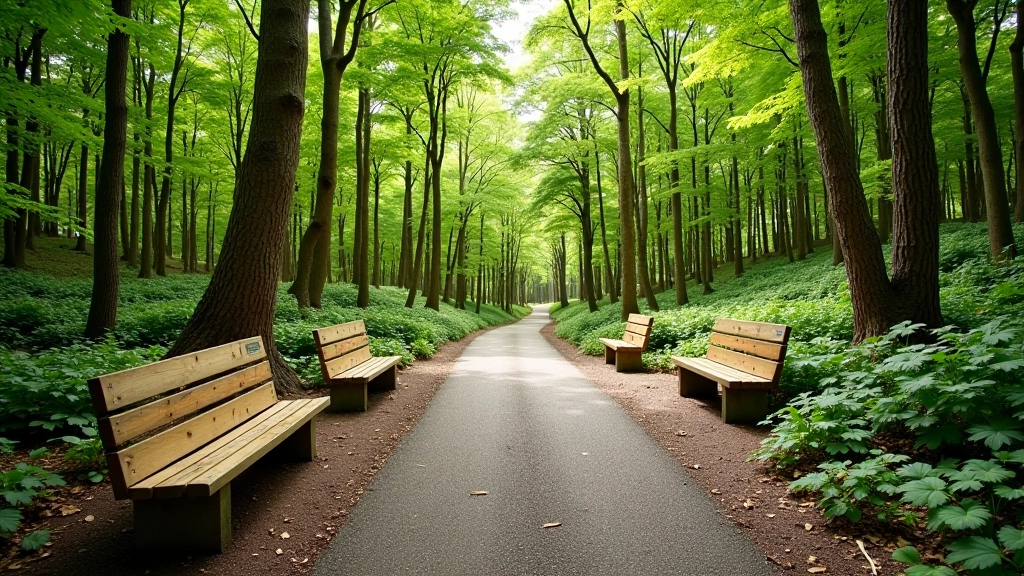
Kinnitty Forest offers something you won't find everywhere — thoughtfully designed walking routes with proper infrastructure. The forest isn't just about trees. It's about accessibility. Benches appear at regular intervals. Paths are well-maintained and clearly signposted. Parking's convenient. And the whole place has this quiet, contemplative feel that makes you want to come back.
What we really appreciate here is the attention to detail. The routes don't feel rushed or corporate. They're just good walking — the kind where you can focus on the forest, the air, the sounds around you. Whether you're doing a 20-minute stroll or a full two-hour loop, there's space to breathe.
Key Facts
- 4 distinct walking loops (2km to 6km)
- Rest benches every 300-400 meters
- Parking for 50+ vehicles
- Clear signage at all junctions
- Mix of woodland and open areas
The Four Main Routes
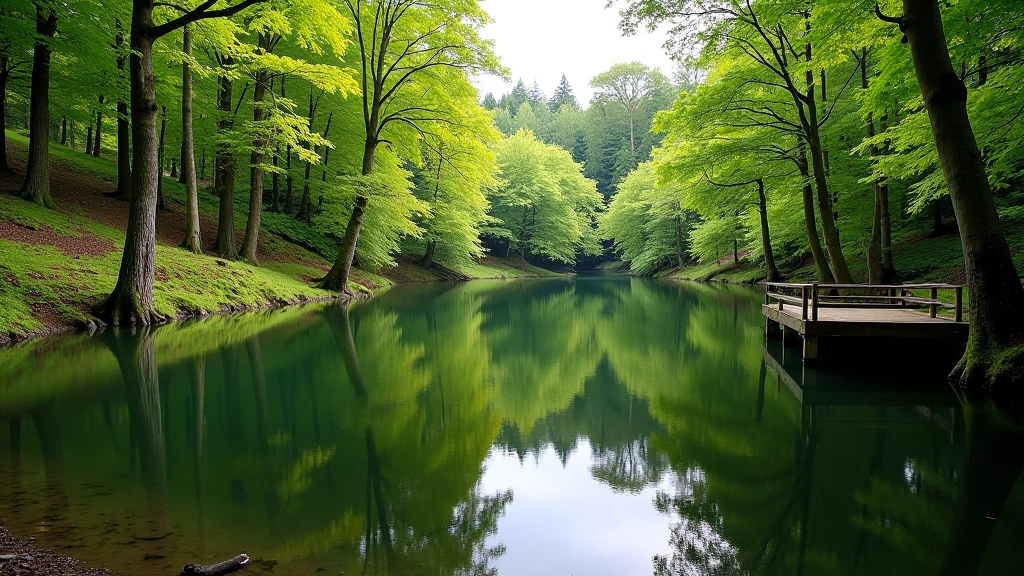
Each route has a different character. The shortest is the Lakeside Loop — about 2 kilometers and takes 35-45 minutes at a comfortable pace. You'll walk around a small lake, get views of the surrounding hills, and there's a shelter near the midpoint if weather turns. It's popular with visitors who want a quick but satisfying walk without committing to a long trek.
Then there's the Woodland Trail, roughly 3.5 kilometers. This one takes you deeper into the forest where it's quieter. The canopy gets denser here, so it's great on hot days. You'll pass through different woodland types — mixed deciduous, then coniferous sections. About halfway, you'll find a proper bench area with good sightlines. Most people finish this in 60-75 minutes without rushing.
The Heritage Loop (4.5km) connects to some older forestry features and stone work. It's the most interesting historically if you like that sort of thing. There's a well-marked junction about 2km in where you can cut back to the main parking if needed. Total time: 75-90 minutes.
Finally, the Grand Circuit (6km) combines elements of all three and is genuinely rewarding. You'll see the most varied landscape — open areas with views, dense woodland, the lake from different angles. It's not strenuous, just longer. Plan 100-120 minutes, and you'll want to take breaks anyway because the views merit stopping.
Rest Areas & Facilities
One of the biggest advantages of Kinnitty is the number of rest points. You're never more than 400 meters from a bench. Seriously. The benches are solid — not flimsy metal things. They're wooden or concrete, built to last, and positioned where they make sense — at viewpoints, near water features, at natural stopping places.
Main Shelter Area
Located at the 1.2km mark on the Lakeside Loop. This is a proper covered shelter with benches. You can sit here and eat lunch without worrying about sudden showers. There's a small bin for litter. No water facility here, so bring your own.
Woodland Rest Bench Cluster
Three benches arranged in a clearing about 2km from parking on the Woodland Trail. It's quiet here. The benches face different directions so you can choose your view. This spot gets dappled sunlight even on the hottest days.
Viewpoint Bench
On the Heritage Loop at approximately 2.5km. This bench overlooks open country — you can see across the valley on clear days. It's one of the best spots for taking photos or just sitting quietly for 10 minutes.
Lakeside Platform
A small wooden platform with benches right by the water's edge. On the Lakeside and Grand Circuit loops. This is where people often spend the longest breaks. It's peaceful, and you might spot birds or water activity.
Practical Tips for Your Visit
Here's what you need to know before you go. Parking is free. There's a car park about 100 meters from the forest entrance — it's not huge, but it rarely fills up except on bank holidays. The forest entrance has a small information board with route descriptions and estimated walking times.
Bring water. Even the short routes take 40 minutes minimum, and there's no water supply within the forest. A liter bottle is usually enough for shorter loops, but if you're doing the Grand Circuit, bring more. Mobile signal is patchy in places but generally okay near the parking area and main paths.
The paths are well-drained even after rain, but wear proper walking shoes. The ground can be uneven — tree roots, rocky sections. Flip-flops won't cut it. And don't assume it's warm under the trees. Bring a light layer even on warm days.
Best times to visit? Early morning (7-9am) if you want solitude. Late afternoon (4-6pm) for good light and fewer people. Weekdays are quieter than weekends. The forest is open year-round, but autumn (September-October) is probably the best season — colors are changing, temperature's mild, and the light is gorgeous.

Navigation & Safety
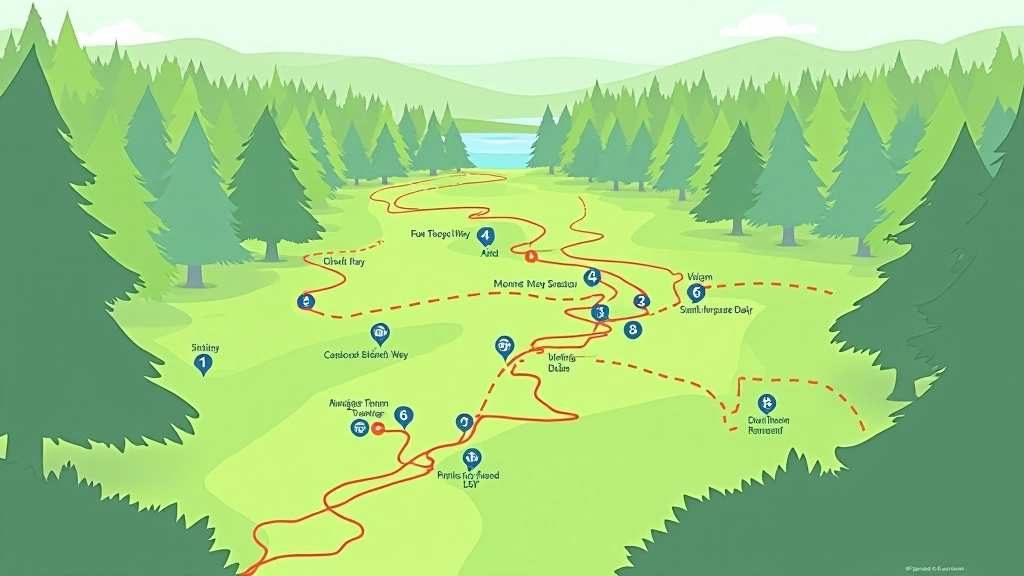
Getting lost isn't really an issue here. Every junction has a sign. Every route is marked with colored posts — yellow for Lakeside Loop, green for Woodland Trail, blue for Heritage Loop, red for Grand Circuit. The posts appear every 50-100 meters, so you're never wondering which way to go.
Safety Considerations
The forest is generally safe. Paths are maintained regularly. There are occasional fallen branches after storms, but nothing dangerous. The main hazard is simply getting tired — don't overestimate your fitness level. If you feel exhausted, backtrack to parking rather than pushing through. It's not worth it. The forest will still be there next time.
Mobile signal can be unreliable deep in the forest, so don't rely solely on GPS. Print or screenshot the route before you go. Or just follow the color-coded posts — they're your actual navigation system and they work better than any app in woodland conditions anyway.
Why You'll Come Back
Kinnitty Forest isn't flashy. There's no café, no visitor center with interpretive panels, no organized activities. What you get instead is genuine forest walking with proper infrastructure. The routes are well-maintained. The benches are actually useful. The paths are clear. And there's a quietness to the place that's becoming rarer.
People who visit once tend to come back. They bring friends. They use it as a baseline for what good forest walking should feel like. It's accessible without being over-developed. Challenging without being exhausting. Wild enough to feel like proper nature, civilized enough that you won't panic if something goes wrong.
Whether you're looking for a gentle 30-minute stroll or a full afternoon adventure, Kinnitty delivers. The forest is patient. It'll be there whenever you're ready to return.
Important Notice
This article is provided for informational and educational purposes only. Conditions in natural areas can change due to weather, seasonal variations, maintenance schedules, and unforeseen circumstances. Always check current conditions before visiting, wear appropriate footwear and clothing, and inform someone of your intended route and expected return time. If you have health concerns or mobility limitations, consult with a healthcare professional before undertaking woodland walks. The author and publisher accept no liability for injuries, accidents, or losses arising from visits to Kinnitty Forest or use of the information contained in this guide.

Explore More Routes